The Importance of Sustainable Beekeeping for the Environment
Introduction
Bees play a critical role in maintaining ecosystems and supporting global food production. However, their populations face increasing challenges due to environmental changes, pesticides, and habitat loss.
Sustainable beekeeping has emerged as an important approach to protect bees while continuing honey production.
Why Bees Are Essential
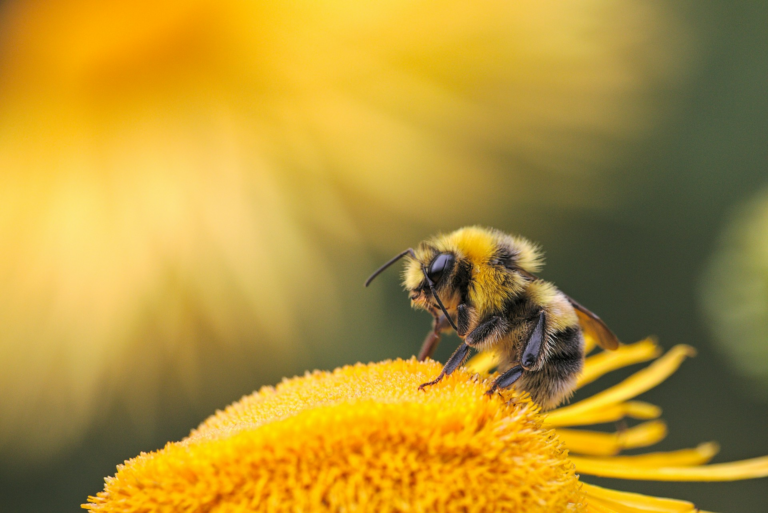
Bees are key pollinators. They help plants reproduce by transferring pollen, which supports the growth of fruits, vegetables, and seeds.
Without bees, many crops would struggle to survive, which would have a direct impact on food availability.
What Sustainable Beekeeping Involves
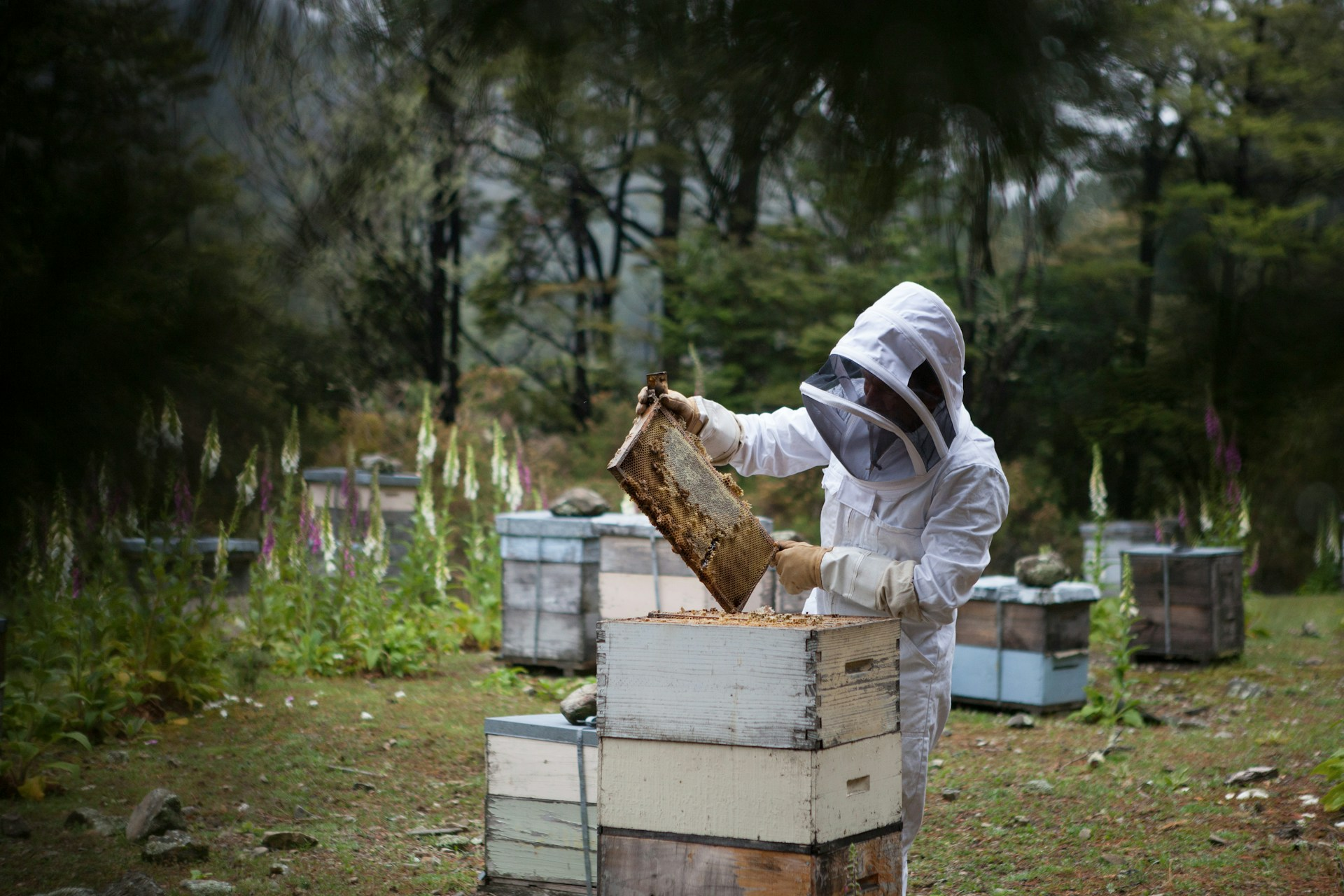
Sustainable beekeeping focuses on practices that prioritize the health and well-being of bee colonies. This includes:
- Avoiding harmful chemicals
- Ensuring bees have access to diverse and natural forage
- Managing hives in a way that reduces stress on the colony
These practices help bees thrive rather than simply survive.
Environmental Benefits
Healthy bee populations contribute to stronger ecosystems. Pollination supports plant diversity, which in turn supports wildlife and maintains ecological balance.
Sustainable practices also reduce environmental harm, making honey production more responsible and long-term focused.
Consumer Awareness and Responsibility
As consumers become more aware of environmental issues, there is growing interest in how products are sourced. Choosing honey from producers who follow sustainable practices can support better outcomes for both bees and the environment.
Even small purchasing decisions can contribute to larger environmental change.
Conclusion
Sustainable beekeeping is not just about honey production. It is about protecting an essential part of the natural world. Supporting responsible practices helps ensure that bees continue to play their vital role for generations to come.