Raw Honey vs Processed Honey | Understanding the Real Difference
Introduction
Honey may seem like a simple product, but not all honey is the same. One of the most important distinctions is between raw honey and processed honey. Understanding this difference can help you choose a product that aligns with your health and taste preferences.
What Is Raw Honey
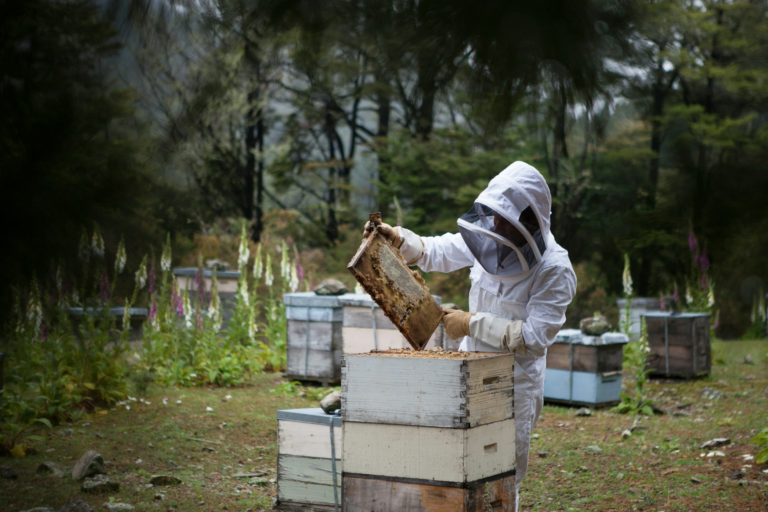
Raw honey is honey that has been extracted from the hive and filtered with minimal processing. It is not exposed to high heat, which means it retains many of its natural components.
These include enzymes, pollen, and antioxidants that are often reduced or removed during heavy processing.
What Is Processed Honey
Processed honey, on the other hand, is typically heated and finely filtered. Heating helps extend shelf life and improves clarity, giving honey a smooth and uniform appearance.
However, this process can also reduce some of the beneficial compounds found in raw honey.
Nutritional Differences
One of the main reasons people prefer raw honey is its nutritional profile. Because it is less altered, it tends to retain more natural enzymes and antioxidants.
Processed honey still provides energy and sweetness, but it may not offer the same level of natural compounds.
Taste and Texture Comparison
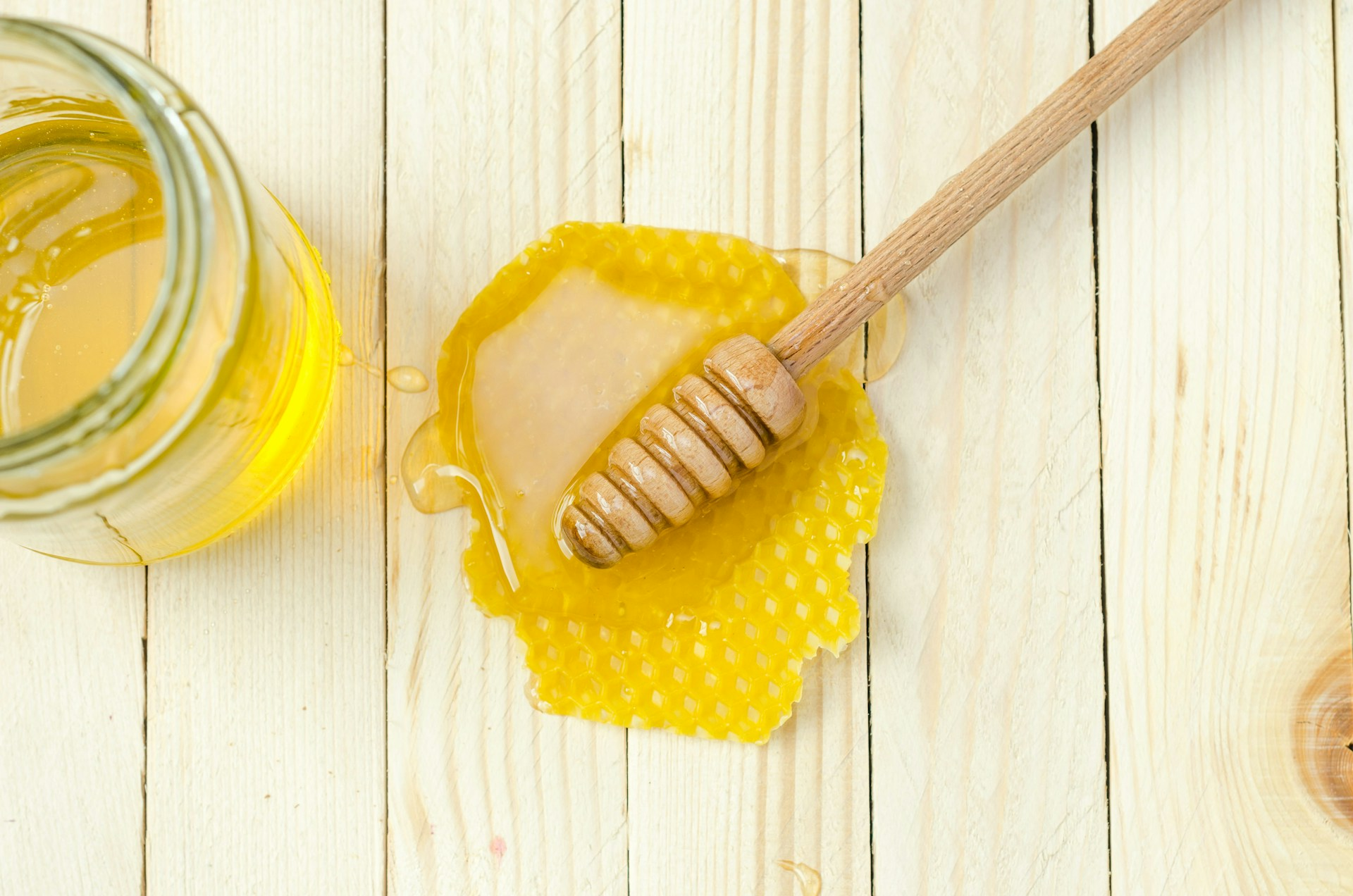
Raw honey often has a more complex flavor and may vary depending on its floral source. It can also crystallize over time, which is a natural process.
Processed honey usually has a milder taste and remains liquid for longer due to heat treatment.
Which One Should You Choose
The choice between raw and processed honey depends on your priorities. If you value natural composition and minimal handling, raw honey may be the better option.
If you prefer a consistent texture and longer shelf stability, processed honey might suit your needs.
Understanding these differences allows you to make a more informed decision rather than relying on labels alone.